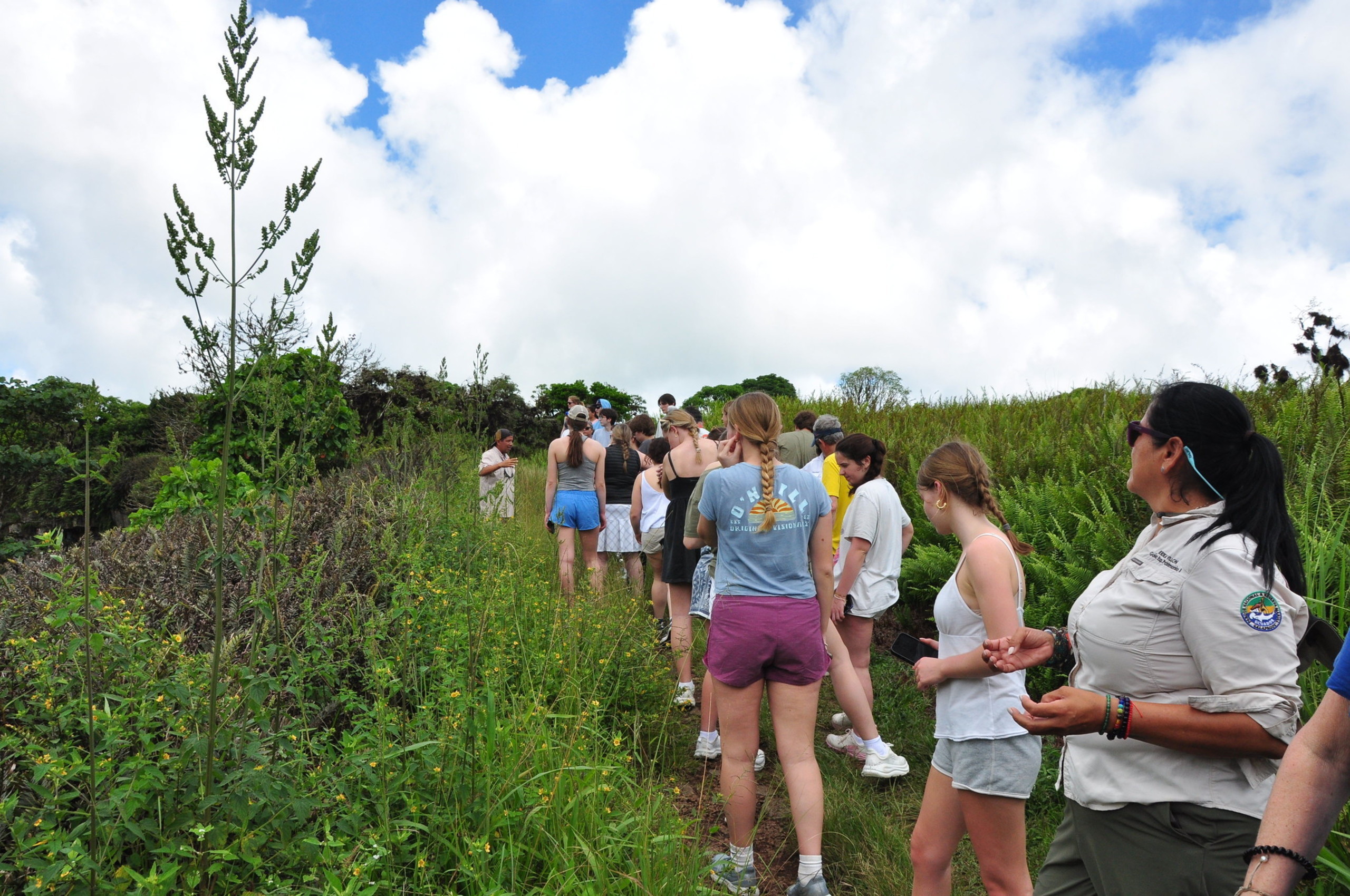
Nantucket, a renowned island destination, faces increasing environmental pressures due to tourism and development. To preserve its natural beauty and ecological integrity, Nantucket can look to the Galápagos Islands as a model for sustainable practices and conservation efforts.
The Galápagos Islands, famous for their unique biodiversity and ecological significance, have implemented strict regulations to protect their environment. These include limiting the number of visitors, enforcing strict quarantine measures for wildlife, and promoting eco-friendly tourism. Nantucket can adopt similar measures to control visitor numbers and minimize human impact on sensitive habitats.
One of the key lessons from the Galápagos is the importance of environmental education. The islands invest heavily in educating both locals and tourists about the importance of conservation. Nantucket can enhance its educational programs to raise awareness about local ecosystems and the importance of sustainable tourism, encouraging visitors to respect and protect the island’s natural resources.
Furthermore, the Galápagos has established protected areas and marine reserves that restrict activities harmful to wildlife. Nantucket can expand its protected zones, especially around critical habitats such as breeding grounds for seabirds and marine life, to ensure their survival. Implementing stricter regulations on fishing, boating, and other activities can help maintain ecological balance.
Another significant aspect is community involvement. The Galápagos actively involves local communities in conservation efforts, providing economic incentives for sustainable practices. Nantucket can foster community-based conservation programs that empower residents to participate in protecting their environment while benefiting economically from eco-tourism.
Technological innovations also play a vital role in the Galápagos’s conservation success. The islands utilize monitoring systems, data collection, and research to inform management decisions. Nantucket can leverage technology to monitor environmental health, track wildlife, and manage tourism more effectively.
In conclusion, Nantucket has much to learn from the Galápagos Islands in terms of sustainable tourism, environmental education, protected areas, community involvement, and technological application. By adopting these strategies, Nantucket can ensure the preservation of its unique environment for future generations while continuing to thrive as a premier destination.